Selecting the appropriate gutter system is a foundational step in preserving your home's structural integrity against unpredictable weather conditions and water damage. An effective drainage setup collects rainwater from your roof edges and safely channels it away from your siding, foundation footings, and landscaping beds. With a wide range of materials, profiles, and sizing options available today, understanding how these components interact is crucial for making a smart investment. Evaluating your local climate, roof pitch, and architectural style ensures that your property receives reliable protection while enhancing overall curb appeal.
Material Options and Performance Characteristics
The material composition of a gutter system directly dictates its service life, physical durability, routine maintenance needs, and total installation cost. Aluminum remains the industry standard for modern residential properties due to its lightweight nature, affordability, and inherent resistance to rust. It can easily be painted or factory-finished in dozens of colors to match your existing exterior trim, and it is widely available in continuous seamless profiles that minimize leaks. However, aluminum can be susceptible to denting from severe hail storms or heavy ladder impacts.
Copper gutters represent a luxury, high-end alternative celebrated for their striking visual appeal and extraordinary longevity. Over time, bare copper develops a distinctive natural green patina that shields the underlying metal against corrosion, allowing it to last over 50 years with minimal upkeep. Galvanized steel offers exceptional structural strength, making it ideal for regions that experience heavy snow loads, though it requires specialized anti-rust coatings. Vinyl provides an inexpensive, rust-proof option for simple DIY projects, but cold winter temperatures can cause the plastic to become brittle and crack. Zinc gutters offer similar long-term patina benefits to copper, developing an elegant grey appearance that resists atmospheric corrosion in coastal environments.
Gutter Styles and Architectural Design
Choosing the right gutter profile ensures that your roof drainage handles heavy rainstorms while complementing your home’s architectural lines. K-style gutters are the most common profile used in contemporary residential construction. Featuring a flat back that mounts flush against fascia boards and a decorative front that resembles crown molding, K-style channels hold more water volume than round profiles of equal width. Their rigid design handles heavy flow efficiently, though internal corners require careful sealing to prevent joint leaks.
Half-round gutters present a classic, semi-circular shape that fits historically significant homes, Mediterranean designs, and traditional architecture. Their smooth interior curvature allows water and small debris to flow freely, reducing organic sludge accumulation. Box gutters are built directly into the roof framing or eaves during initial construction, providing a concealed drainage channel often seen on commercial facilities or modern custom residences. Fascia gutters are custom-engineered with a high front wall that hides the edge of lower roof shingles, creating a clean, streamlined appearance while protecting structural framing. European gutters utilize heavy-gauge copper or zinc with an outward-rolled lip, combining half-round aesthetics with industrial strength.
Sizing Requirements and Capacity Planning
Selecting the correct gutter dimensions prevents overflow during sudden, torrential downpours. The standard five-inch residential gutter handles typical rainfall for average-sized homes with moderate roof slopes. According to HomeGuide, most homes have 100 to 200 linear feet of gutters, which is about one-tenth of the home’s square footage. Calculating this linear footage against your roof's total surface area and steepness helps determine whether standard five-inch channels will suffice or if your property requires larger capacity options.
Oversized six-inch gutters provide approximately 40 percent more water volume capacity than five-inch models, making them an ideal choice for steeply pitched roofs, multi-story residences, or geographic regions prone to heavy rainstorms. Custom oversized systems can be fabricated for complex architectural designs with extensive roof valleys that concentrate runoff into specific zones. Matching your gutters with properly sized downspouts—such as upgrading from standard two-by-three-inch spouts to three-by-four-inch versions—ensures that captured water drains quickly without backing up into the troughs. Consulting a professional gutter contractor guarantees that your entire system is sized to handle your region's historical weather patterns.
Installation Methods and Structural Fastening
The method used to install your gutters significantly impacts both their long-term performance and their susceptibility to leaks. Sectional gutters consist of pre-cut metal or plastic pieces joined together using drop-in connectors and joint sealants. While easier to handle, the numerous seams create natural friction points for debris accumulation and frequently develop leaks over time as thermal expansion breaks down the sealant.
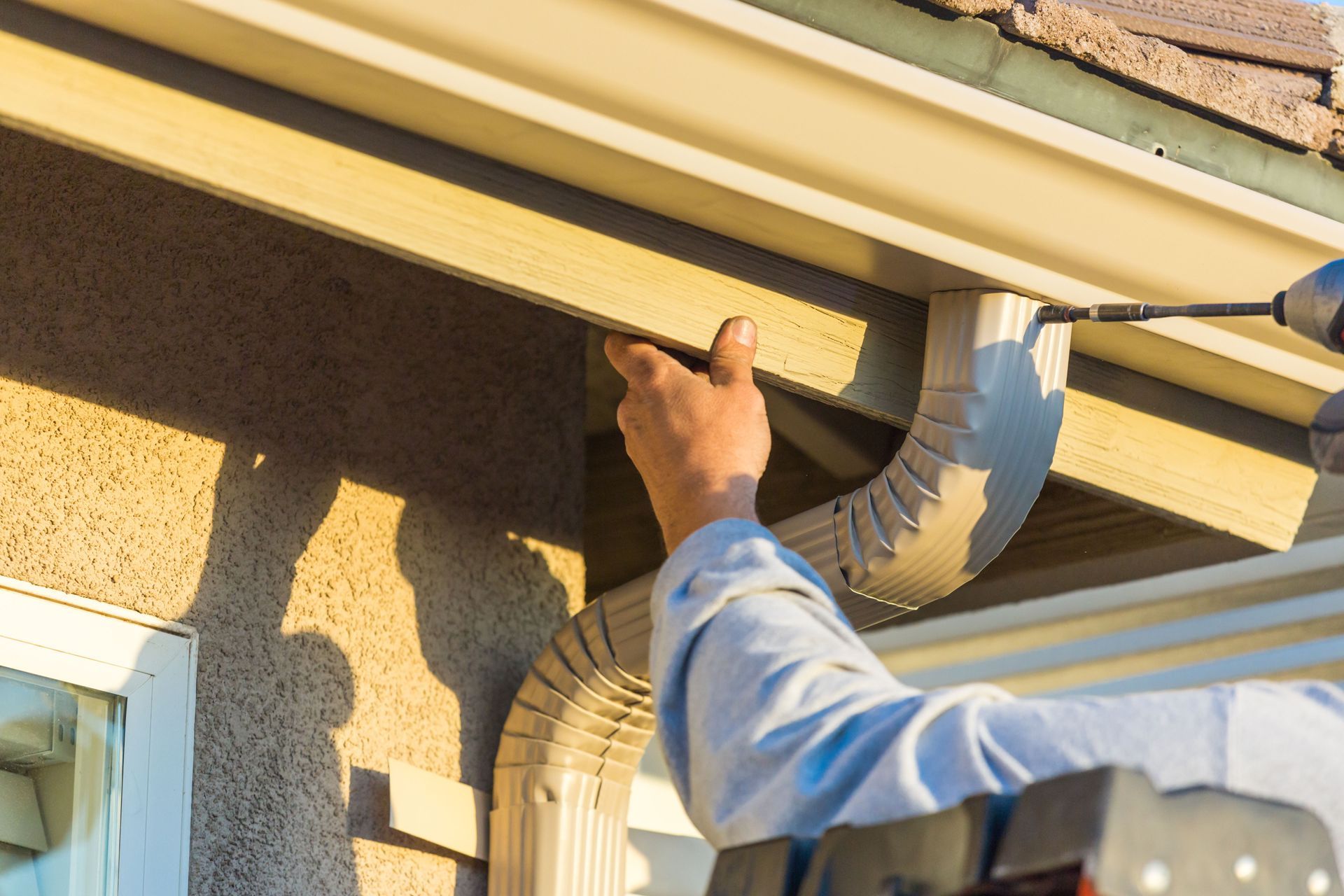
Seamless gutters are continuous channels custom-fabricated on-site from a solid coil of aluminum or copper using a specialized roll-forming machine. By eliminating seams along straight runs, seamless installations eliminate the most common failure points in roof drainage systems. Partnering with a licensed gutter contractor ensures that these continuous channels are cut to precise building dimensions. Professional installers use heavy-duty hidden hangers screwed directly into the rafter tails rather than outdated spike-and-ferrule fasteners, ensuring the system remains securely attached during heavy ice buildup or high wind events.
Maintenance, Durability, and Weather Resistance
Keeping gutters clean and structural fasteners secure ensures that your water diversion system functions efficiently season after season. Gutters must withstand harsh UV exposure, freezing thermal cycles, and high winds without sagging or pulling away from fascia boards. Choosing durable metals like copper, zinc, or thick aluminum drastically reduces weather-related degradation and extends total system lifespan far beyond basic vinyl options.
Installing protective leaf guards over open channels minimizes internal debris accumulation, reducing routine maintenance from twice a year to an occasional surface sweep. Seamless systems with high-quality powder coatings prevent paint peeling and resist internal rust caused by wet sludge. When damage occurs from fallen tree limbs, sectional gutters allow simple individual segment replacements, whereas seamless runs may require re-fabrication by an experienced gutter contractor to maintain structural integrity.
Cost Analysis, Warranties, and Long-Term Value
Evaluating the true cost of a new gutter system involves balancing immediate material purchase prices against long-term performance and maintenance demands. While basic vinyl or thin sectional aluminum gutters carry low initial price tags, their shorter service life and frequent repair needs often result in higher overall expenses over time. High-end materials like copper or seamless aluminum offer higher long-term value by preventing costly foundation damage, interior basement flooding, and fascia board rot.
Professional installation fees reflect the specialized equipment, labor safety protocols, and custom metal fabrication required for a precise fit. Obtaining estimates from a reputable gutter contractor allows homeowners to compare material thickness options, hidden hanger spacing standards, and warranty protections. Comprehensive warranties should cover both material defects and labor workmanship. When you are ready to protect your roofline and foundation with an expertly engineered gutter system, consult the experienced team at B&M Insulation to ensure a flawless installation.
Investing in a high-performance gutter system is one of the most effective ways to preserve your property's structural integrity, protect your foundation, and maintain long-term curb appeal. By carefully evaluating key factors such as material durability, profile styles, precise capacity sizing, and seamless installation techniques, you ensure your home is fully equipped to handle whatever weather conditions come your way. A well-designed drainage system pays for itself over time by shielding your roofline, siding, and landscaping from catastrophic water damage and costly structural repairs.
When you are ready to upgrade your home with a custom-engineered, durable gutter system, trust the skilled professionals who prioritize precision and quality craftsmanship. Contact the experienced team at B&M Insulation today to schedule your consultation and secure reliable, long-lasting protection for your home.