By Joe Kropp
October 30, 2026
Managing household expenses begins with controlling how much energy escapes through ceilings and exterior walls. When outdoor temperatures swing between winter chills and summer heat waves, heating and cooling units work overtime to maintain a balanced indoor climate. Without a reliable thermal barrier, conditioned air leaks outside while exterior temperatures creep indoors.
Experienced insulation contractors help property owners regain control over their indoor comfort by stopping unwanted air movement and creating a dependable thermal envelope.
Comparing Materials for Optimal Thermal Performance
Every property presents distinct structural layouts, meaning that a single material cannot address every thermal challenge. Professional insulation contractors evaluate the architectural structure of a home before recommending specific products. Different areas of a house require different densities, moisture resistance levels, and air-blocking characteristics to perform effectively over time.
Applying Blown-In Cellulose for Deep Coverage
Blown-in cellulose provides an effective option for attics and enclosed wall cavities. Made from specially treated fibers, loose-fill cellulose settles into irregularly shaped spaces, surrounding ceiling joists and wiring conduits tightly.
This dense packing prevents air pockets from forming, which reduces convective heat flow. Installers use high-powered blowing machines that evenly distribute loose material across attic floors without disturbing existing ceiling fixtures. The dense blanket of fibers creates an even layer that resists shifting, keeping living spaces well insulated.
Installing Fiberglass Batts in Open Cavities
Fiberglass continues to serve as a reliable choice for standard framing dimensions between wall studs and floor joists. Manufactured from spun glass fibers, these batts fit snugly into open framing during remodeling or new construction. When installed without compression, fiberglass traps millions of tiny air pockets that slow conductive heat movement. Experienced installers cut batts around electrical junction boxes and plumbing lines to eliminate uninsulated gaps that compromise energy efficiency, ensuring heat cannot easily bridge through exterior wall assemblies.
Spraying Expanding Foam for Total Air Sealing
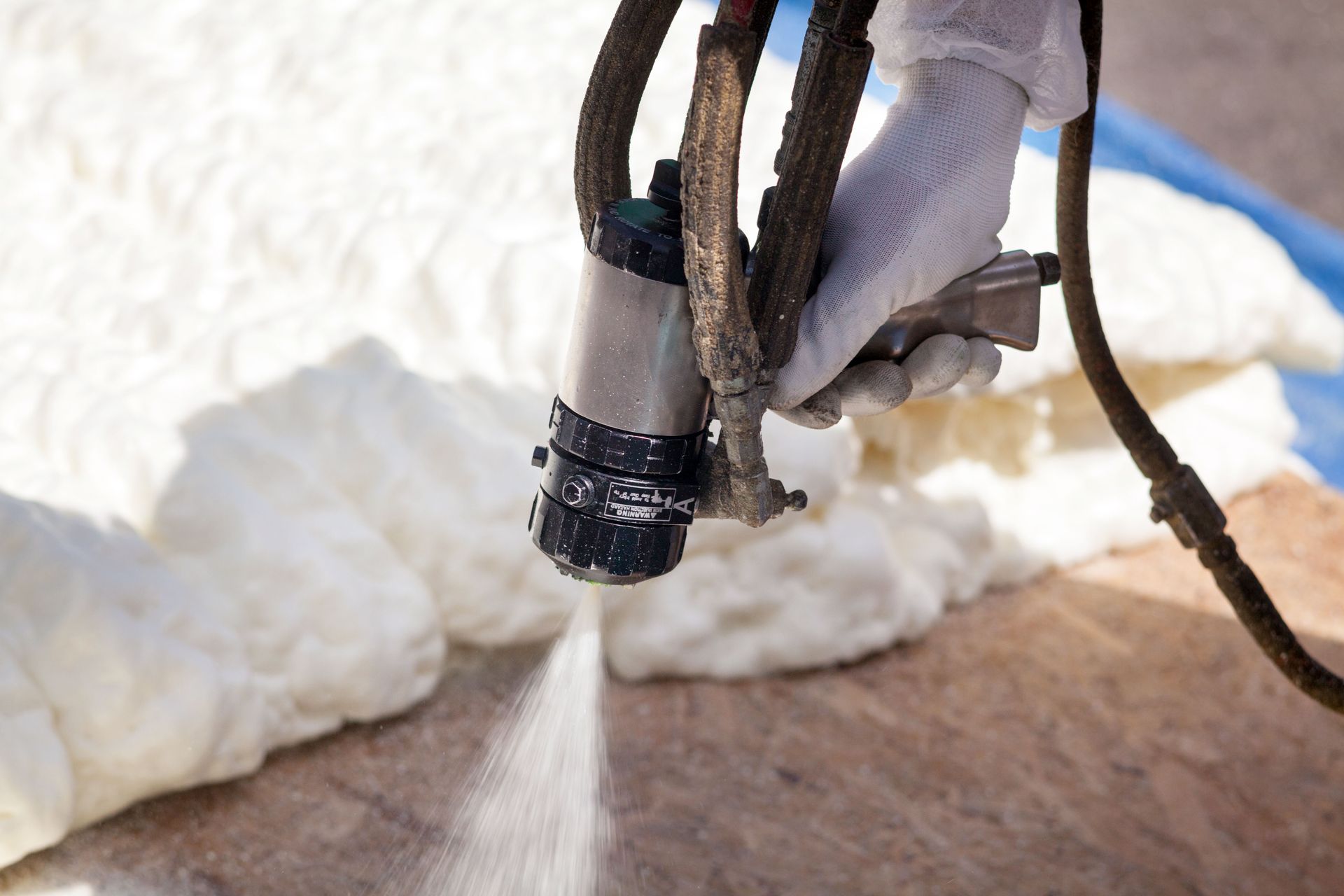
Spray foam insulation provides strong thermal resistance alongside a physical air barrier. Expanding upon application, spray foam fills microscopic cracks and structural crevices that traditional materials leave exposed. By sealing the building envelope against unwanted drafts, spray foam stops exterior air infiltration in its tracks. This material works remarkably well in rim joists, cathedral ceilings, and exterior walls. Because spray foam adheres directly to wood and masonry, it maintains its position without sagging, settling, or pulling away.
Pinpointing Vulnerable Areas Across the Home
Energy loss rarely happens uniformly throughout a residence. Instead, heat follows the path of least resistance, finding thin drywall assemblies and uninsulated floors. Qualified insulation contractors inspect the complete building envelope to discover where thermal bridging and air leaks occur.
Upgrading Attic Floors and Overhead Spaces
The attic represents the largest area of energy loss in most residential structures. Warm air naturally rises toward the roof, creating positive pressure against top-floor ceilings. According to HomeGuide, adding attic insulation can reduce heating and cooling costs by between 10% and 20% depending on the climate and current insulation levels. Ensuring thick, even coverage across the attic floor prevents conditioned air from vanishing into the roof cavity, keeping living spaces comfortable through every season.
Insulating Exterior Walls and Living Boundaries
Exterior walls present a massive surface area exposed directly to wind and outdoor temperatures. When wall cavities lack adequate fill, rooms develop uncomfortable temperature differences near exterior corners. Adding dense insulation into existing wall cavities shields interior drywall from temperature extremes, creating stable indoor conditions without requiring adjustments to the thermostat. Insulated walls also reduce interior temperature swings as weather fronts move through the region.
Protecting Crawl Spaces and Lower Foundations
Floors situated over vented crawl spaces or unheated basements often stay cold underfoot during winter months. Frigid air beneath the subfloor chills flooring materials and allows cold drafts to seep upward through baseboards. Insulating crawl space walls or placing batts between floor joists creates a warm foundation beneath living areas, keeping flooring surfaces comfortable to walk on while stopping floor-level drafts from entering the home.
Recognizing Signs of Inadequate Thermal Barriers
Many homeowners pay inflated utility bills for years without realizing that inadequate insulation is the underlying cause. Identifying the warning signs of degraded or missing insulation allows property owners to take corrective action before mechanical equipment suffers premature wear.
Noticing Temperature Swings and Cold Drafts
A clear indicator of insulation trouble is the presence of hot and cold spots throughout different rooms. If an upstairs bedroom feels stifling in summer while the main living room remains cool, heat is likely penetrating through an under-insulated attic space. Drafts sweeping across hallways or around light fixtures also point toward unsealed penetrations that let outside air bypass your thermal barriers.
Monitoring Escalating Heating and Cooling Expenses
When monthly utility bills steadily climb despite normal weather patterns and unchanged household habits, heating and cooling equipment is working harder than necessary. Aging insulation can settle, shift, or become damp over time, losing its ability to slow heat transfer. Replacing compacted or deteriorated insulation restores the home's thermal resistance, bringing monthly utility expenses back down to manageable levels.
Examining the Value of Professional Installation Work
Home insulation requires far more than simply laying rolls of fiberglass across an attic floor. Without proper air sealing and thorough coverage, materials fail to deliver expected performance. Skilled insulation contractors bring the proper training and professional equipment required to complete the job correctly.
Sealing Hidden Bypasses and Structural Gaps
Before adding fresh insulation, experienced installers inspect for hidden air leaks around plumbing vents, chimney chases, and recessed lighting fixtures. Sealing these gaps with expanding foam prevents warm air from bypassing the insulation layer entirely. Skipping this crucial air-sealing step allows conditioned air to filter straight through porous insulation materials, greatly diminishing their overall effectiveness.
Preserving Vital Airflow and Attic Ventilation
Proper insulation work must maintain adequate attic ventilation to prevent moisture buildup beneath roof decking. Knowledgeable insulation contractors install protective baffles along the eaves to ensure that soffit vents remain unobstructed. These baffles keep outdoor air circulating above the insulation layer, preventing moisture accumulation while keeping roof assemblies structurally sound.
Enhancing Household Comfort and Indoor Quiet
While lowering monthly utility bills remains the primary motivation for upgrading insulation, everyday comfort benefits are equally rewarding. A well-insulated building envelope provides steady indoor temperatures that allow family members to relax without feeling sudden drafts or temperature swings from room to room.
Dampening Outside Noise and Street Activity
Dense insulation materials act as acoustic buffers, absorbing airborne sound vibrations before they penetrate interior walls. Noise from busy roadways and barking neighborhood pets gets absorbed within the wall cavities. Upgrading your insulation transforms your living space into a tranquil haven where outside disturbances fade into the background.
Reducing Operating Wear on Mechanical Systems
Heating and cooling systems represent major financial investments for any household. When conditioned air stays trapped inside well-insulated rooms, furnaces and air conditioners run shorter, less frequent cycles. This reduced runtime minimizes friction on moving mechanical parts, extending the operating life of your equipment and preventing expensive breakdowns.
Taking control of monthly power bills requires a practical approach to home insulation. Whether you are dealing with drafty living areas, uncomfortably cold floors, or rising utility costs, working with dependable insulation contractors delivers lasting results that protect your household budget.
If you are ready to improve your home's thermal performance and reduce monthly energy expenses, contact the team at B&M Insulation. Our professionals evaluate your property, identify key areas of energy loss, and install the right insulation solutions for your needs.